
THE WRECK
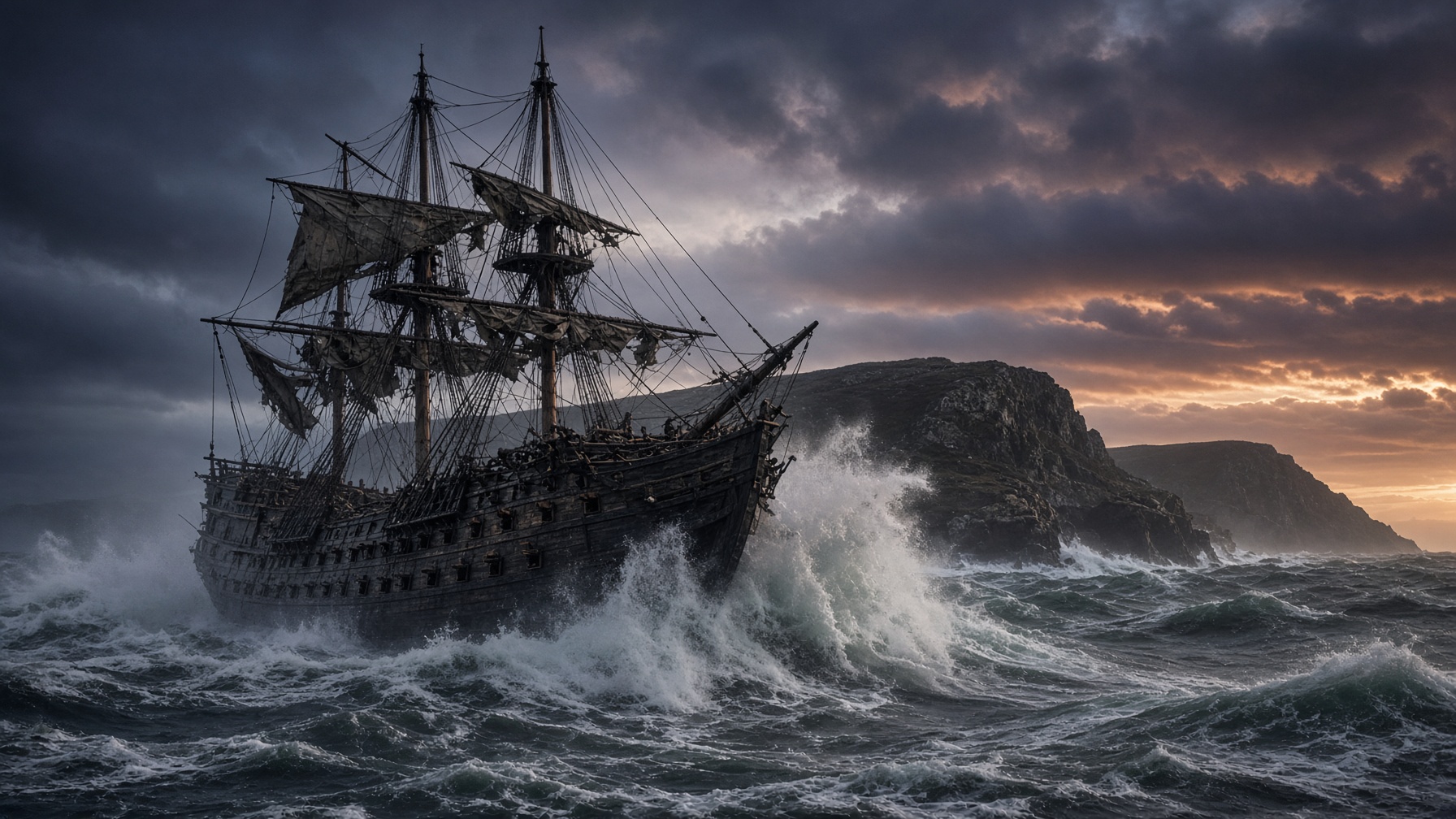
A warship lost to the storm
The Coronation was a 90-gun Second Rate Ship of the Line, launched at Portsmouth in 1685.
Just six years later, on 3 September 1691, she was lost in a gale off Penlee Point near Plymouth.
Today, her remains survive across two principal wreck areas — the Offshore and Inshore sites — lying around 800 metres apart beneath the waters off the Plymouth coast.
THE SHIP
Built for the Royal Navy
Coronation was a 90-gun Second Rate Ship of the Line, launched in 1685 by Master Shipwright Isaac Betts at Portsmouth.
She served under Admiral Russell and was captained by Captain Charles Skelton.
In 1690, Coronation took part in the Battle of Beachy Head. A year later, her short career came to a catastrophic end during severe weather off the south Devon coast.
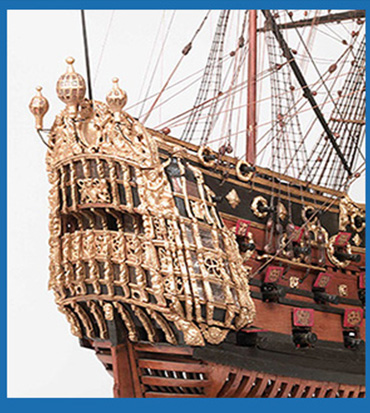
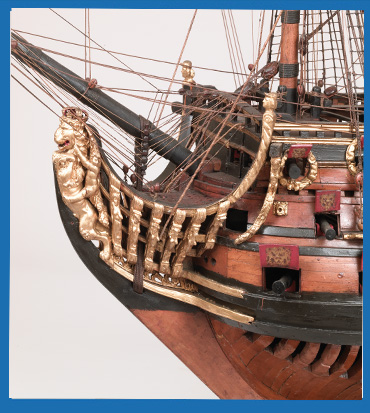
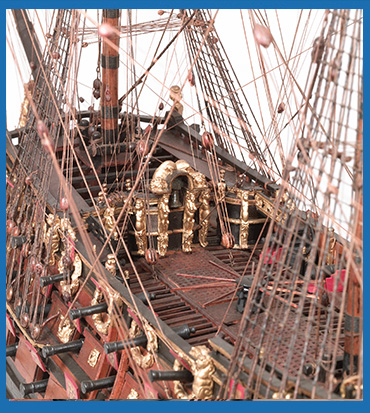
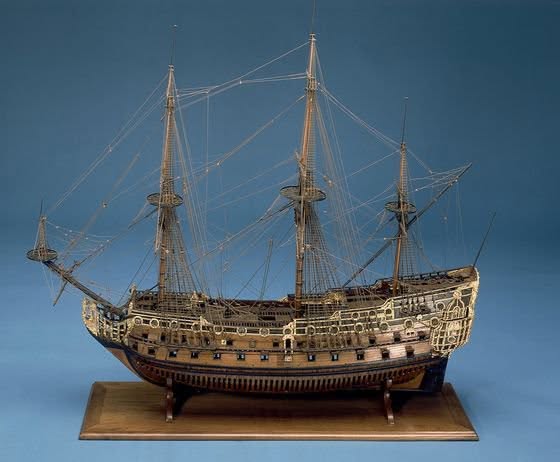
A 90-gun Second Rate Ship of the Line
Contemporary model illustrating the type of warship represented by Coronation. © National Maritime Museum, Greenwich.
The images shown above are of the model of a typical 90 Gun, Second Rate, Ship of the Line built at the time of the Coronation. The caption reads: 'Scale: 1:48. A contemporary full hull model of a 90-gun three-decker (circa 1675), built plank on frame in the Navy Board style. The model is partially decked, equipped and rigged
The model is probably a preliminary design for the 90-gun second-rates of the 1677 'thirty ships' building programme, and has a gun deck length of 158 feet by 42 feet in the beam and a burden tonnage of approximately 1200.It was restored and re-rigged in 1929, with the lower masts and fighting tops thought to be original. The model illustrates very well the amount of carved decoration these ships carried for this period, in particular the wreathed gunports, a feature that was discontinued in the early 18th century on the grounds of cost.
KEY DATES
Key dates in the Coronation's history
Launched
Coronation, a 90-gun Second Rate Ship of the Line, is launched at Portsmouth by Master Shipwright Isaac Betts.
Lost off Penlee Point
During a gale off Plymouth, Coronation is dismasted, capsizes and is driven aground west of Penlee Point. Only an estimated 17–23 personnel survive. The precise cause of her loss remains uncertain.
Inshore site discovered
The Inshore wreck site is discovered among the rugged rock gullies close to the coast. It contains numerous guns, anchors and other archaeological remains.
Offshore site discovered
The Offshore site is located by magnetometer. This area, lying in around 18–20 metres of water, later becomes home to the Coronation Diver Trail.
Protected
The Offshore site receives protection in 1978, followed by the Inshore site in 1988, creating the two designated Coronation wreck areas that remain protected today.
SEPTEMBER 1691
Disaster off Penlee Point
Coronation was sheltering in a gale off Plymouth in September 1691 when disaster struck.
The precise cause of her loss remains uncertain. The long-held interpretation is that her anchor cables parted, after which she was dismasted, capsized and driven aground to the west of Penlee Point, around Lady Cove.
Almost the entire crew was lost. The project’s historical research estimates that only 17–23 personnel survived.
THE WRECK
Two sites. One remarkable wreck.
The remains of Coronation are spread across two main protected areas, approximately 800 metres apart.
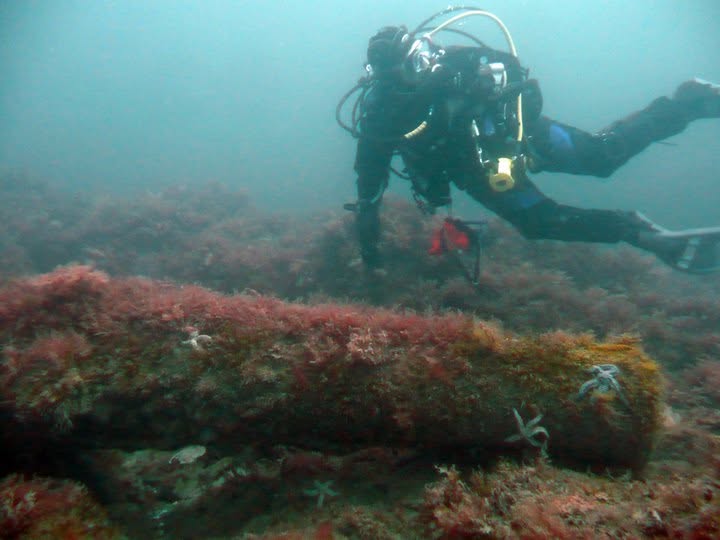
The two sites are very different in character. Together they contain cannon, anchors and smaller artefacts, with further material potentially still hidden beneath sand and sediment.
THE OFFSHORE SITE
Rugged rock, gullies and the Diver Trail
The Offshore site was discovered by magnetometer in July 1977.
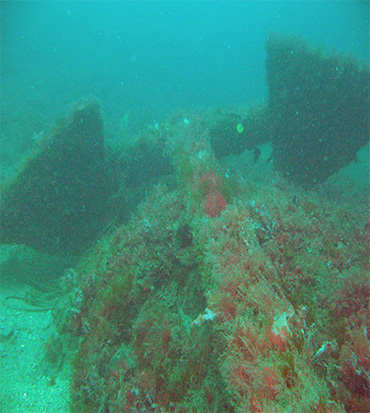
Its underwater landscape is made up of rugged rock formations and sand-filled gullies, with kelp and low vegetation across parts of the site. The general depth is around 18–20 metres.
The project records 17 cannon and three anchors within the Offshore site, together with smaller artefacts.
This is also the location of the Coronation Diver Trail, giving visiting divers a structured way to explore some of the wreck’s most significant features.
THE INSHORE SITE
Wreckage among the rocky gullies
The Inshore site was originally discovered in 1967.
It lies within a rugged coastal area of rock gullies and significant kelp forests. The currently designated area contains 59 guns and three anchors.
One of those guns, Cannon 39, was raised and relocated to the shallows at Fort Bovisand for investigation in 1983. After concretion was removed, it was identified as having been cast by Thomas Western.
Its position just outside the harbour also makes the Inshore area comparatively accessible to shore divers.
ARCHAEOLOGY
Evidence beneath the waves
Smaller finds from the Offshore site have helped establish the identity of the wreck.
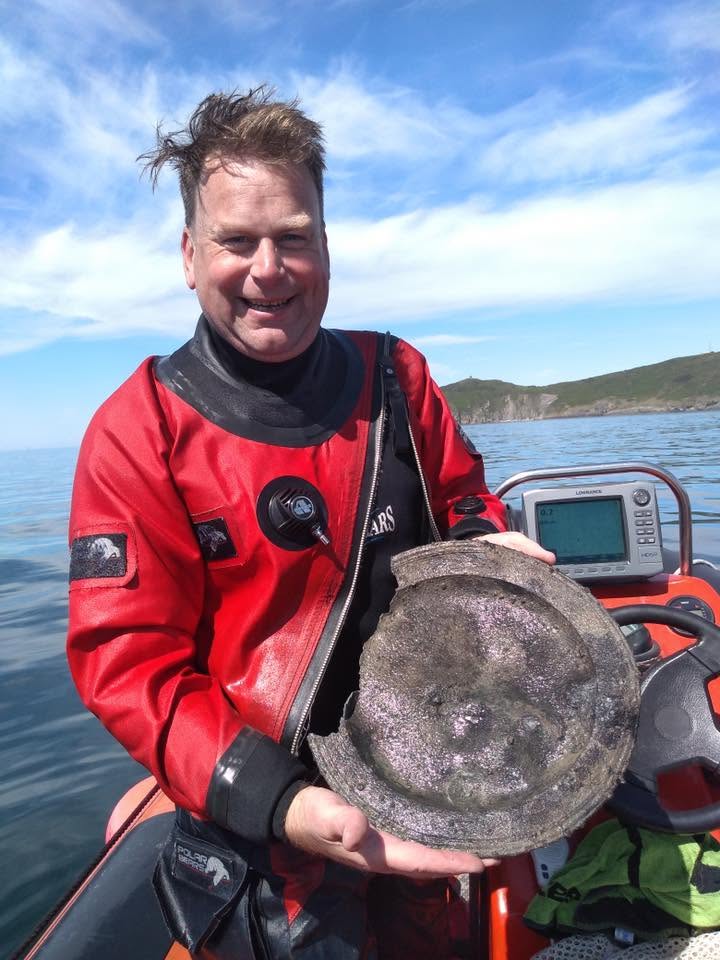
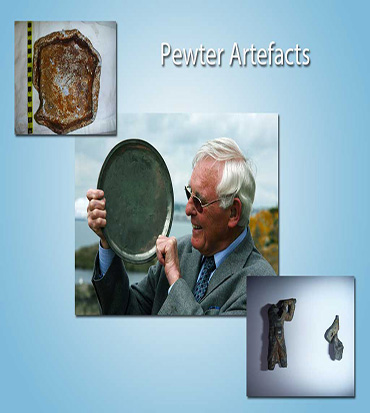
One particularly important discovery was a folded pewter plate bearing the crest of Captain Charles Skelton, who commanded Coronation at the time of her loss.
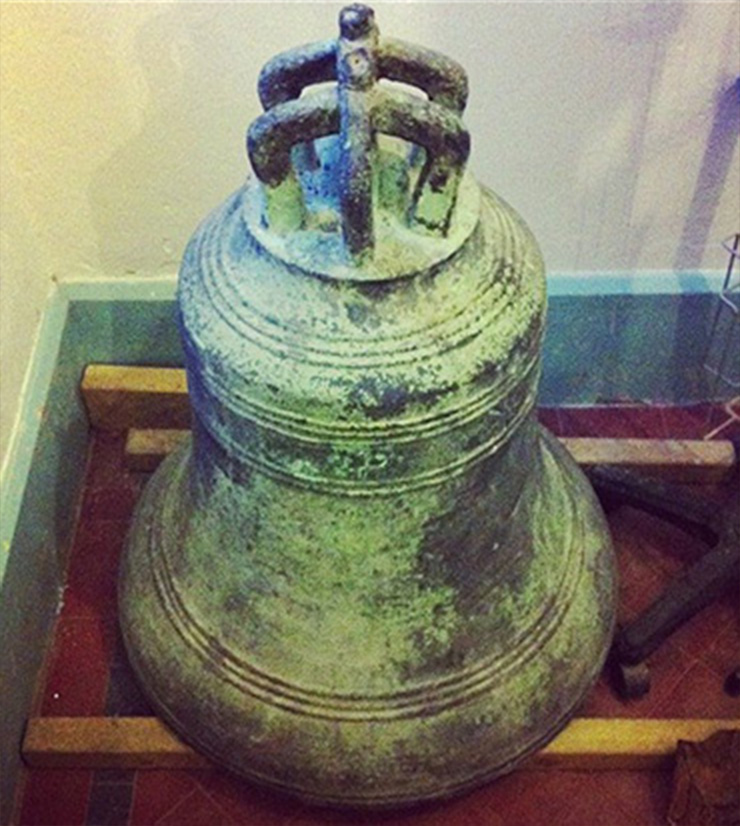
Together with the discovery of a large ship’s bell dated 1686, the plate provided strong evidence confirming the site as that of the Coronation.
THE SITE TODAY
History written across the seabed
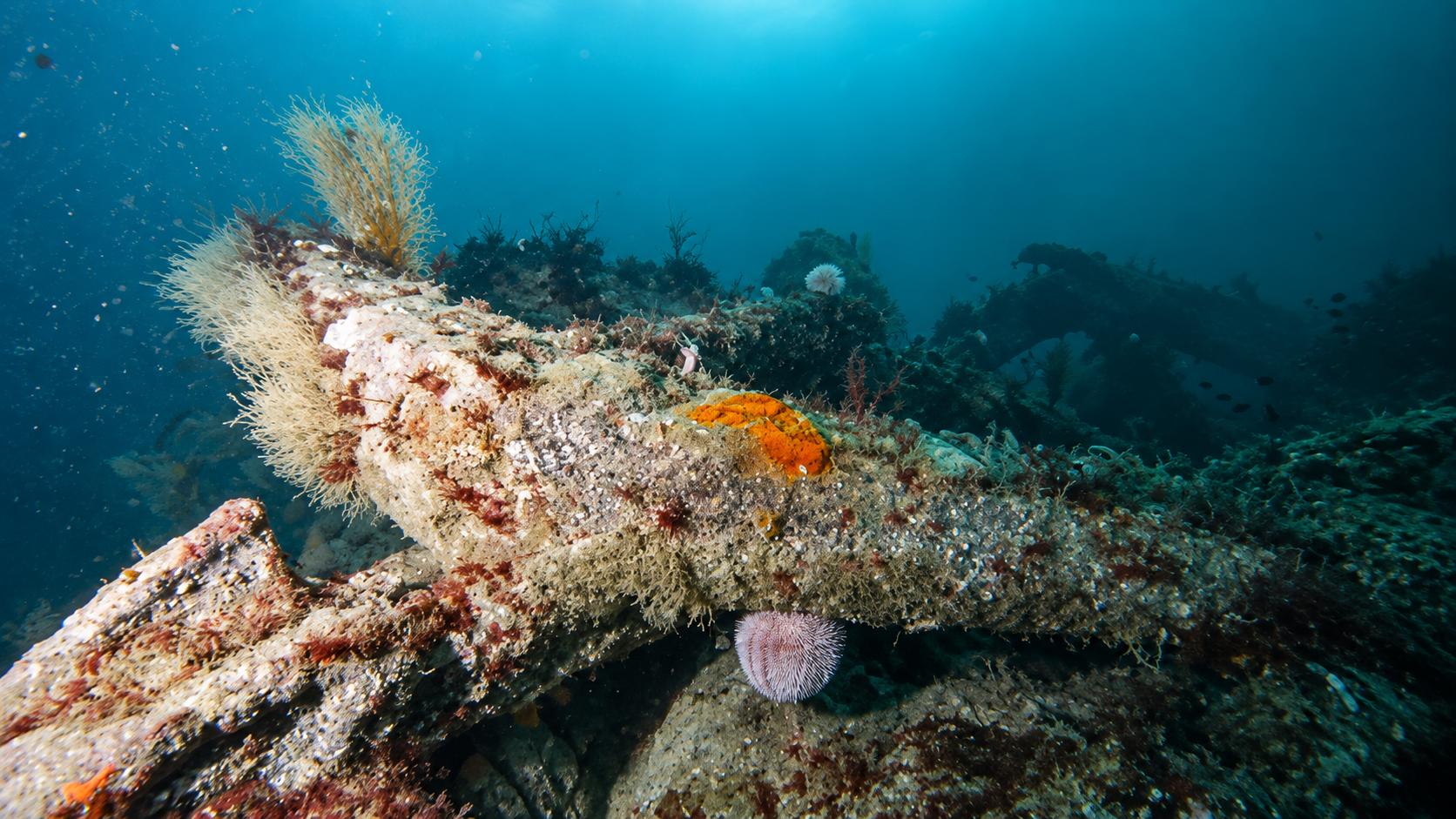
Many of Coronation’s guns remain concreted to the seabed. Some stand proud on rocky outcrops, while others lie partly buried within sandy gullies.
The combination of exposed cannon, anchors, smaller artefacts and changing seabed conditions makes Coronation an unusually rich archaeological landscape.
A wide variety of marine life also inhabits the wreck, meaning the site is both an important piece of maritime heritage and a living underwater environment.
PROTECTED WRECK
Protected for future generations
Both principal wreck areas are legally protected.
The old site identifies the Offshore wreck as Site 17, Designation Number 2, Order 1978/321, and the Inshore wreck as Site 33, Designation Number 1, Order 1988/2138.
Divers can visit Coronation, but permission is required. The project operates a strict no-take policy: archaeological material and marine life must not be removed, and anchoring on either protected site is prohibited.
ONGOING RESEARCH
Still revealing its story
Research into Coronation has continued for many years.
Survey work, historical research and observations from divers all contribute to a better understanding of the wreck and the way material is distributed across the seabed.
The project also encourages people who dived the site in earlier years to share photographs, observations and information about artefacts they may have seen before the site was protected. Even small details can help place discoveries in context and build a fuller picture of the wreck.
Project Reports & Archive